The best WiFi routers for a home office balance reliable everyday connections with the coverage, wired ports, and management features your work setup needs. These picks range from budget dual-band models to mesh and Wi-Fi 7 options, so match your choice to your internet plan, device mix, and floor plan.
Quick Top Products
TP-Link Archer BE230
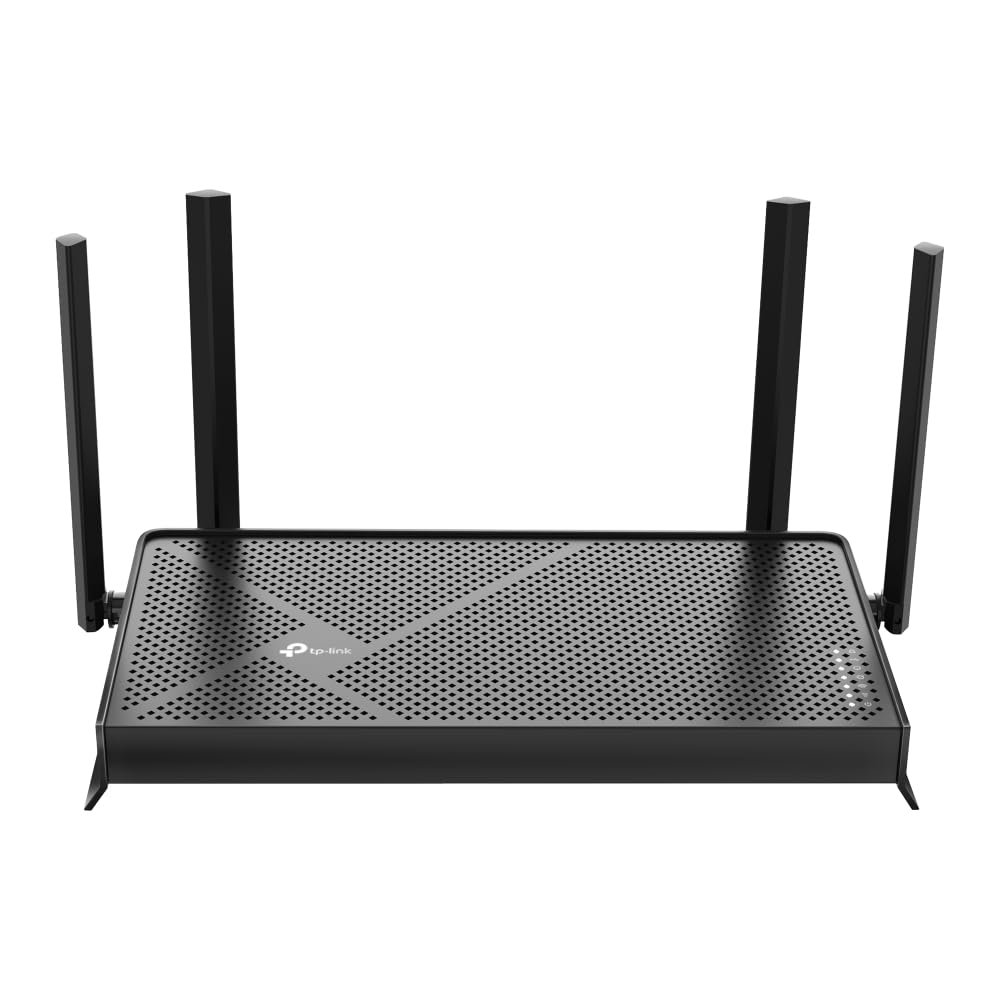
- Dual-band Wi-Fi 7 supports speeds up to 2,882 Mbps on 5 GHz and 688 Mbps on 2.4 GHz.
- Two 2.5 Gbps ports and three 1 Gbps LAN ports support wired workstations and other devices.
- EasyMesh compatibility can extend coverage with compatible routers or range extenders.
Best For: Home offices that want Wi-Fi 7, multi-gig wired connections, and room to expand with EasyMesh.

TP-Link Archer AXE75
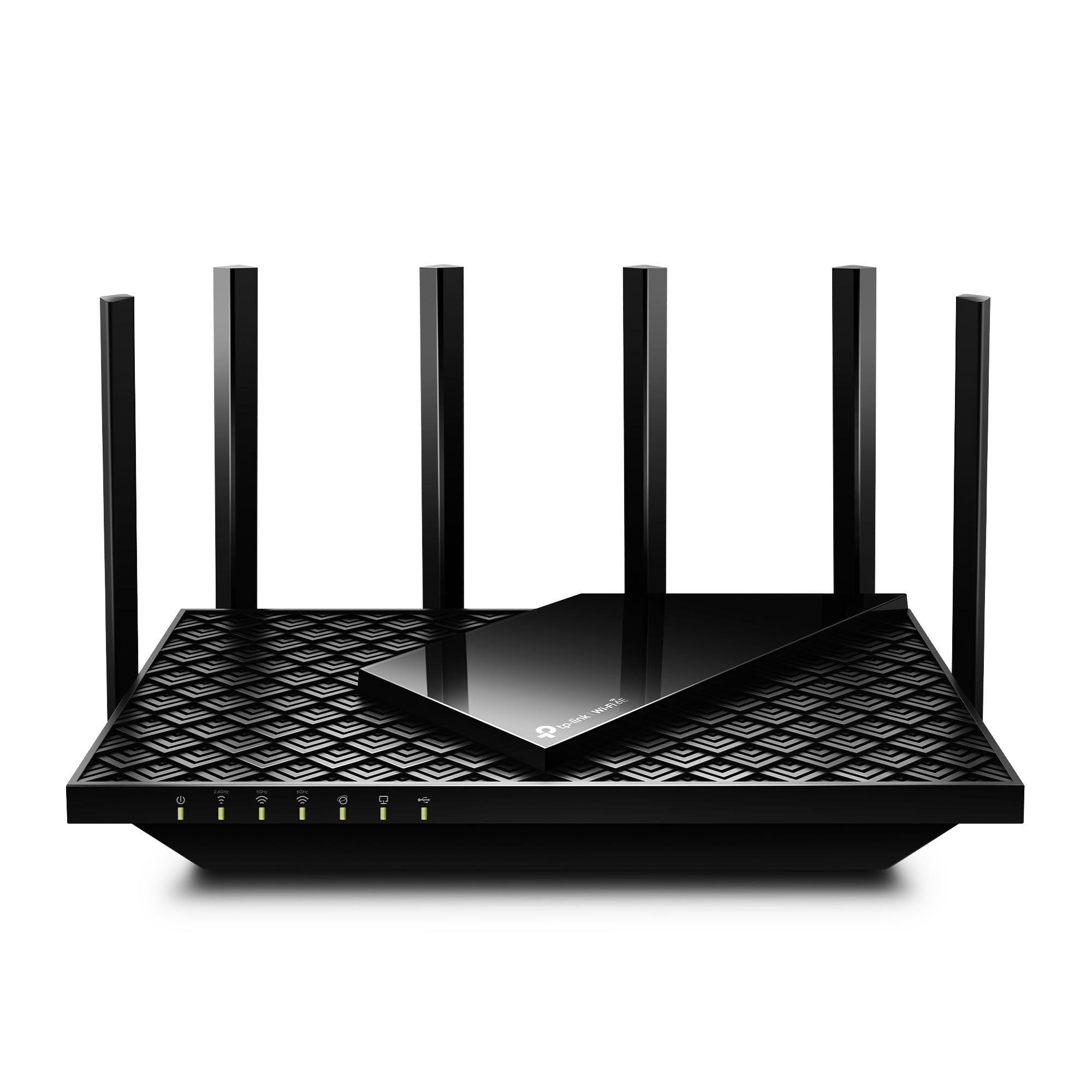
- Tri-band Wi-Fi 6E includes a 6 GHz band alongside 5 GHz and 2.4 GHz.
- The router supports up to 5,400 Mbps combined Wi-Fi speed.
- OneMesh can create a whole-home network with a compatible extender.
Best For: Remote workers with multiple active devices who want a tri-band router and 6 GHz connectivity.
TP-Link Archer BE600
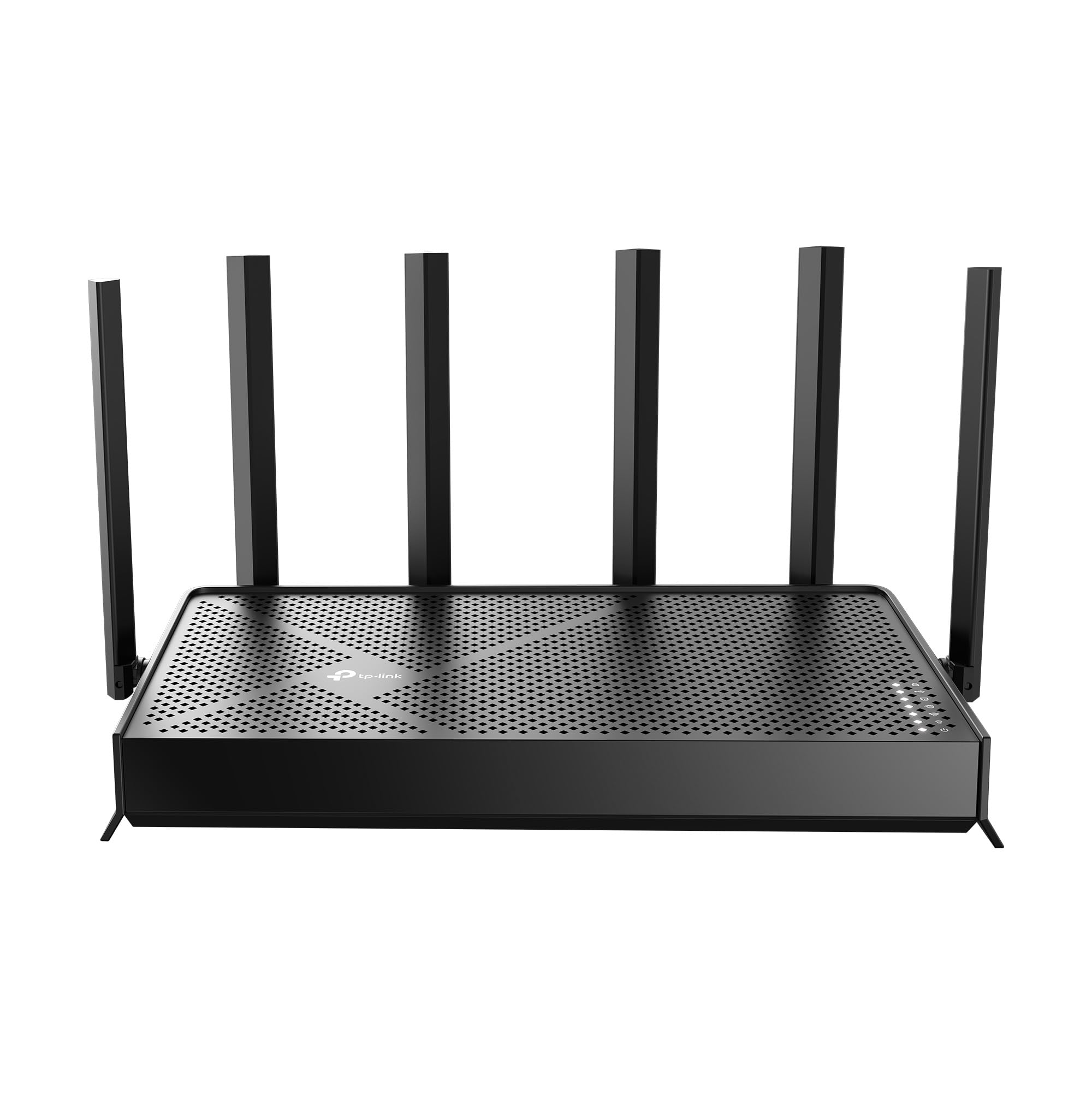
- Tri-band Wi-Fi 7 includes 6 GHz, 5 GHz, and 2.4 GHz bands.
- It has one 10 Gbps port, one 2.5 Gbps WAN/LAN port, and three 2.5 Gbps LAN ports.
- Coverage is specified up to 2,600 square feet for up to 120 devices.
Best For: Larger home offices that want Wi-Fi 7 tri-band service, multiple multi-gig LAN ports, and broad device support.
Tenda RX12 Pro V3.0
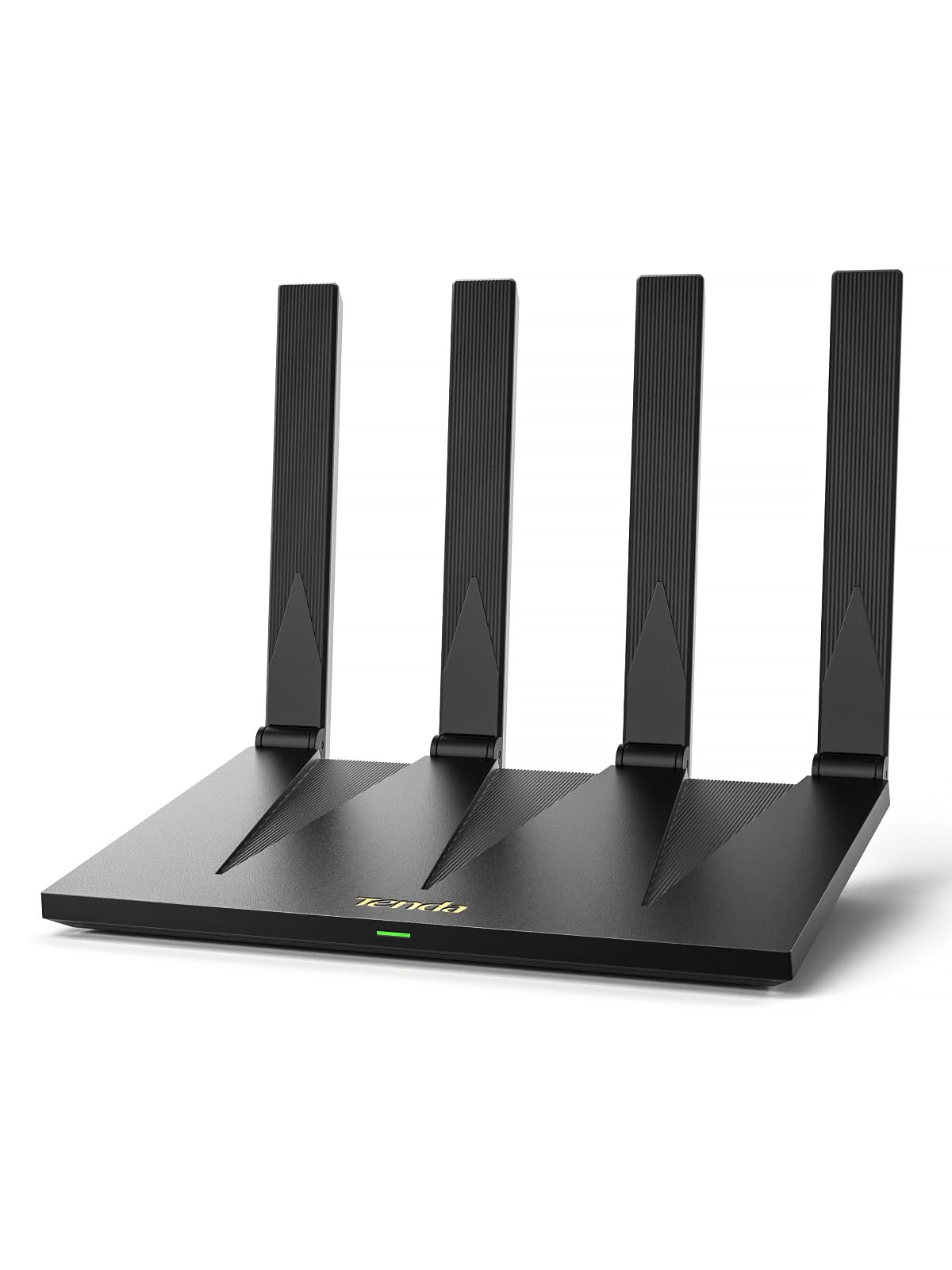
- Wi-Fi 6 supports up to 2,402 Mbps on 5 GHz and 574 Mbps on 2.4 GHz.
- Four gigabit ports support wired computers, consoles, switches, or IPTV devices.
- It supports OpenVPN and WireGuard through a firmware update.
Best For: Home workers looking for a midrange Wi-Fi 6 router with VPN support, gigabit Ethernet, and IoT separation.
TP-Link Archer BE400
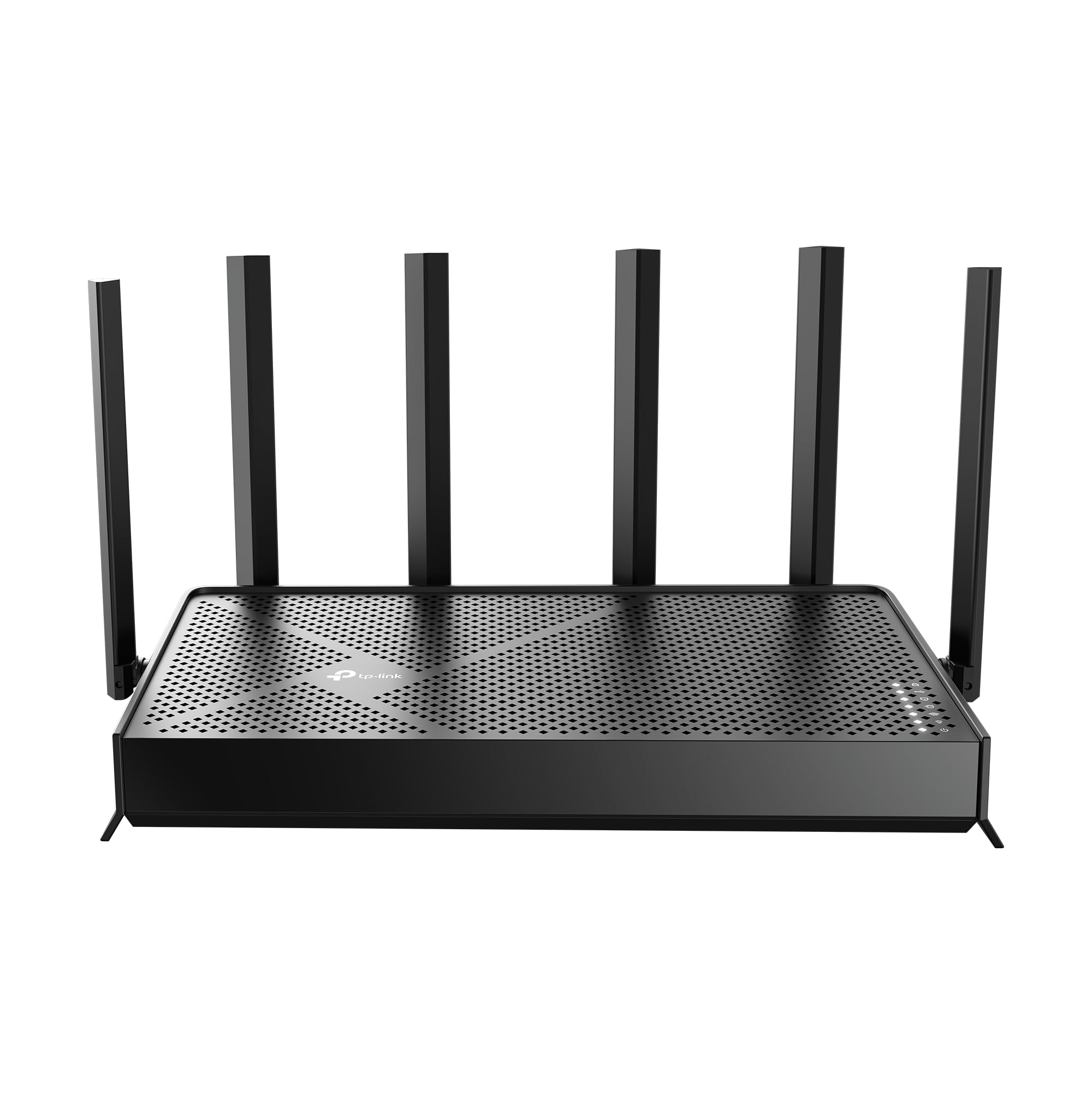
- Dual-band Wi-Fi 7 offers up to 5,764 Mbps on 5 GHz and 688 Mbps on 2.4 GHz.
- The port mix includes two 2.5 Gbps ports and three 1 Gbps LAN ports.
- Coverage is specified up to 2,400 square feet for up to 90 devices.
Best For: Home offices in larger, device-heavy homes that want dual-band Wi-Fi 7 and several wired connections.
TP-Link Deco 7 BE23
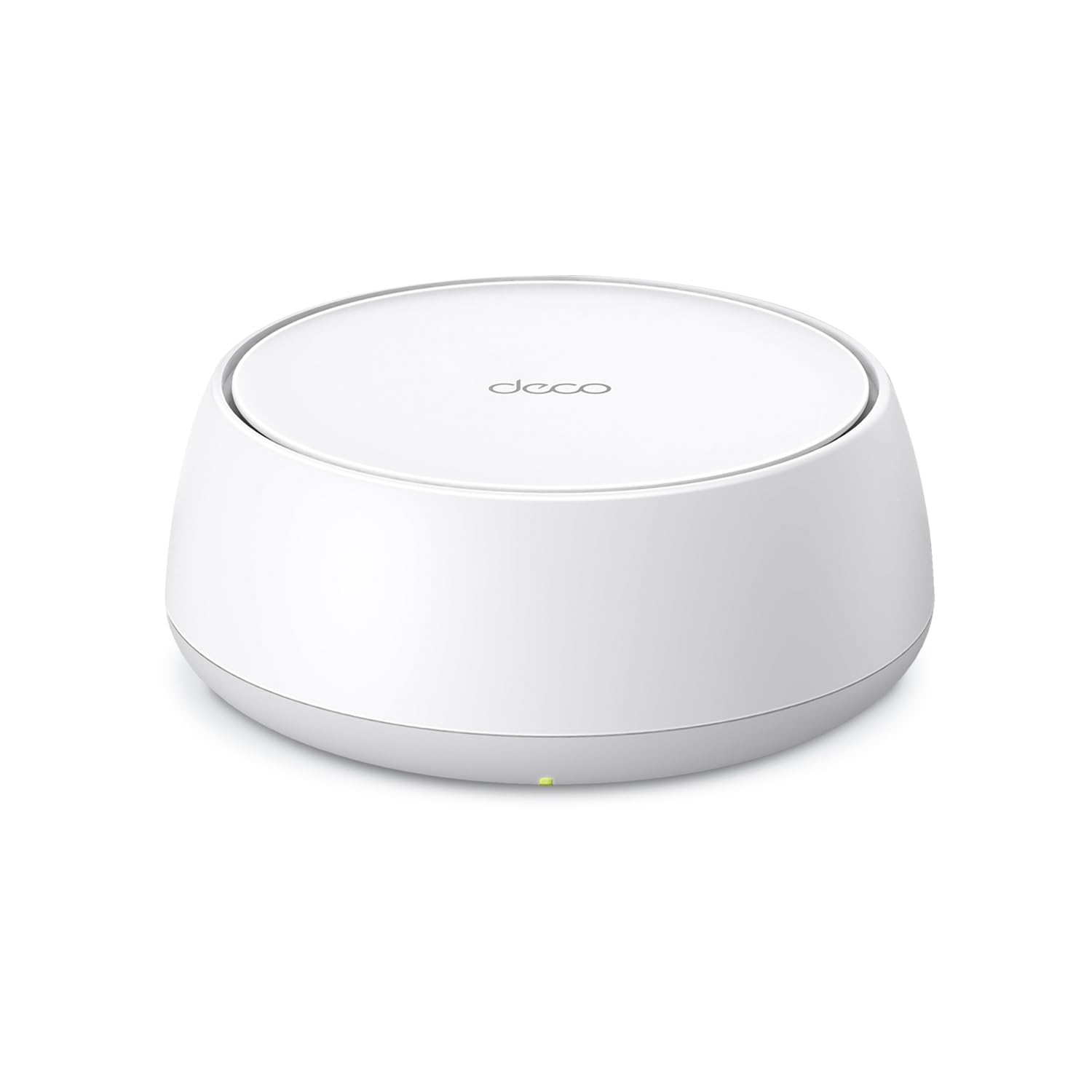
- The one-pack unit supports coverage up to 2,500 square feet and up to 150 devices.
- Two 2.5 Gbps WAN/LAN ports support wired connections and backhaul.
- It supports both wireless and wired backhaul.
Best For: Remote workers who want a mesh-capable Wi-Fi 7 system and may expand across a larger home.
TP-Link Roam 7 BE3600
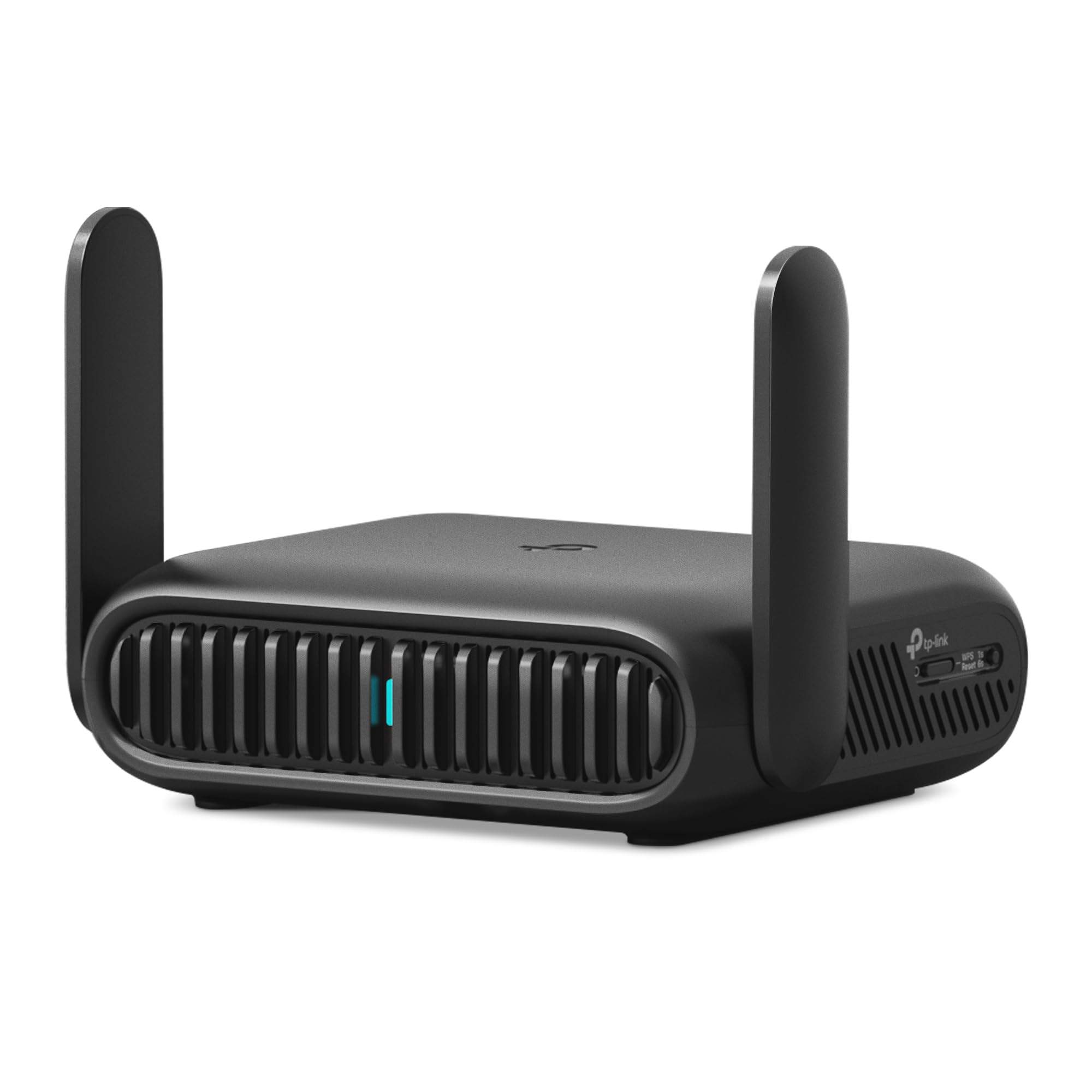
- It creates a private network from public Wi-Fi and supports up to 90 devices.
- Router, hotspot, and AP/repeater/client modes support different connection situations.
- OpenVPN and WireGuard support VPN client and server use.
Best For: Remote workers who need a portable private network for hotels, public Wi-Fi, or USB-tethered internet.
Wi-Fi 7 with Multi-Gig Ports
TP-Link Dual-Band BE3600 Wi-Fi 7 Router Archer BE230 | 4-Stream | 2×2.5G + 3×1G Ports, USB 3.0, 2.0 GHz Quad Core, 4 Antennas | VPN, EasyMesh, HomeShield, MLO, Private IOT | Free Expert Support
The Archer BE230 combines dual-band Wi-Fi 7 with two 2.5 Gbps ports, three 1 Gbps LAN ports, and a 2.0 GHz quad-core processor. Its up-to-2,000-square-foot coverage and support for up to 60 devices make it a practical fit for a home office that also serves household streaming and smart devices.
EasyMesh offers an expansion path if one router does not cover the whole home. The tradeoff is that this is a dual-band design without a 6 GHz band, so its Wi-Fi 7 feature set differs from tri-band options.
Best For: Home offices that want Wi-Fi 7, multi-gig wired connections, and room to expand with EasyMesh.
| Pros | Cons |
|---|---|
|
|
Choose the BE230 if your home office needs multi-gig wired ports and you want Wi-Fi 7 with EasyMesh expansion. It also has a stated coverage area and device capacity that help you judge fit for a shared home network.
Its dual-band design leaves out 6 GHz, so compare that tradeoff with tri-band choices if your compatible devices and network needs make the extra band useful. Check your modem and internet plan before relying on the faster port speeds.
Tri-Band Wi-Fi 6E for Busy Networks
TP-Link AXE5400 Tri-Band WiFi 6E Router (Archer AXE75), 2025 PCMag Editors' Choice, 2.5Gbps WAN Port for Gaming & Streaming, 6GHz Band, 160MHz, OneMesh, Dual-Core CPU, VPN & WPA3 Security
The Archer AXE75 is a tri-band Wi-Fi 6E router with 6 GHz, 5 GHz, and 2.4 GHz bands. It supports up to 5,400 Mbps combined Wi-Fi speed, and OFDMA is designed to increase capacity for simultaneous device transmissions.
That makes it a compelling fit for a home office sharing bandwidth with streaming, gaming, and downloads. OneMesh support can extend the network with a compatible TP-Link extender.
Its key tradeoff is that the record names a 2.5 Gbps WAN port but does not detail the remaining wired ports, so check the port layout if several devices need Ethernet.
Best For: Remote workers with multiple active devices who want a tri-band router and 6 GHz connectivity.
| Pros | Cons |
|---|---|
|
|
Pick the AXE75 if you want the additional 6 GHz band and a tri-band setup for a busy home network. Its OneMesh support offers a defined path to expand coverage, and VPN client and server functions may suit remote-work needs.
Before buying, confirm that your office devices can use the bands you want and check the full Ethernet layout if you plan to connect a desktop, dock, or storage device by cable. It needs a separate modem for most providers.
Tri-Band Coverage with 10G Wired Capacity
TP-Link Tri-Band BE9700 WiFi 7 Router (Archer BE600) – 10G Port, 2.5G Port, 3× 2.5G LAN, 320MHz Channel, Covers up to 2,600 sq. ft., 120 Devices, VPN, HomeShield Security
The Archer BE600 pairs tri-band Wi-Fi 7 with a 10 Gbps WAN/LAN port, a 2.5 Gbps WAN/LAN port, and three 2.5 Gbps LAN ports. It is specified for coverage up to 2,600 square feet and up to 120 devices, which makes it a fit for a busy household where work calls compete with other network use.
Its 6 GHz, 5 GHz, and 2.4 GHz bands have separate stated speed ceilings, and the router supports VPN client and server functions. Those features add flexibility, but make the most sense when your broadband service and wired equipment can use the extra port capacity.
Best For: Larger home offices that want Wi-Fi 7 tri-band service, multiple multi-gig LAN ports, and broad device support.
| Pros | Cons |
|---|---|
|
|
Consider the BE600 when a home office needs several high-speed wired connections alongside tri-band Wi-Fi 7. Its 10 Gbps and 2.5 Gbps ports give it a different wired emphasis from dual-band options, while the stated coverage and device capacity help with a larger, connected home.
Check the speed tier from your provider and the capabilities of your modem and wired devices; unused multi-gig ports add little to a setup that runs entirely at standard gigabit speeds.
Wi-Fi 6 with VPN and EasyMesh
Tenda AX3000 WiFi 6 Router,Dual-Band Gigabit Wireless Internet Router, Mesh & AP Mode, Built-in VPN, NFC Tap-to-Connect, OFDMA MU-MIMO, Secure IoT Network for Home Gaming & 4K Streaming(RX12 Pro V3.0)
The Tenda RX12 Pro V3.0 combines dual-band Wi-Fi 6 with four full gigabit ports, VPN support, and EasyMesh expansion. Its notes give maximum band speeds of 2,402 Mbps on 5 GHz and 574 Mbps on 2.4 GHz, and describe support for more than 100 devices.
For a home office, its OpenVPN and WireGuard support can be relevant to remote access, while a separate IoT network can keep smart devices apart from the main network. NFC tap-to-connect is available with a compatible Android phone.
It remains a router rather than a modem, and the product notes say OpenWRT is not supported on the current version.
Best For: Home workers looking for a midrange Wi-Fi 6 router with VPN support, gigabit Ethernet, and IoT separation.
| Pros | Cons |
|---|---|
|
|
The RX12 Pro V3.0 suits a home office that needs gigabit wired connections and wants VPN plus a separate IoT network without moving to Wi-Fi 7. EasyMesh gives it a documented expansion option, and the Tenda app or web browser can handle setup.
Confirm that your broadband modem or gateway is already in place, and note the OpenWRT limitation if custom firmware is part of your setup. NFC connection also requires a compatible Android phone.
Wi-Fi 7 with Room for 90 Devices
TP-Link BE6500 Dual-Band WiFi 7 Router (BE400) – Dual 2.5Gbps Ports, USB 3.0, Covers up to 2,400 sq. ft., 90 Devices, Quad-Core CPU, HomeShield, Private IoT, Free Expert Support
The Archer BE400 is a dual-band Wi-Fi 7 router with a stated maximum coverage of 2,400 square feet and support for up to 90 devices. It has a 2.5 Gbps WAN/LAN port, a 2.5 Gbps LAN port, and three 1 Gbps LAN ports, giving a home office a flexible mix for a workstation and other wired equipment.
EasyMesh can extend coverage with a compatible router or range extender. Its dual-band layout does not include a dedicated 6 GHz band in the described speed breakdown, so compare that against the tri-band alternatives if you specifically want 6 GHz access.
Best For: Home offices in larger, device-heavy homes that want dual-band Wi-Fi 7 and several wired connections.
| Pros | Cons |
|---|---|
|
|
Choose the BE400 if the stated coverage and device capacity fit your home and you want dual-band Wi-Fi 7 with several Ethernet options. Its two 2.5 Gbps ports can support a faster incoming connection and a wired device, while the remaining LAN ports cover standard gigabit gear.
The tradeoff is the dual-band configuration. Check whether your work devices benefit from 6 GHz before choosing it over a tri-band router, and confirm your modem can match your provider's service.
Single-Unit Mesh for a Work Area
TP-Link Deco 7 BE23 Dual-Band BE3600 WiFi 7 Mesh Wi-Fi Router | 4-Stream 3.6 Gbps,160 Mhz | Covers up to 2,500 Sq.Ft | 2× 2.5G Ports Wired Backhaul | VPN, MLO, HomeShield, Free Expert Help, 1-Pack
The Deco 7 BE23 is a one-pack dual-band Wi-Fi 7 mesh unit with coverage specified up to 2,500 square feet and support for up to 150 devices. It has two 2.5 Gbps WAN/LAN ports, supports wired and wireless backhaul, and can work with other TP-Link Deco products to form a mesh network.
Its unified network name and AI roaming features are intended for movement between mesh nodes. As a single unit, it may be enough for a work area or smaller home, but broader coverage depends on placement and whether you add compatible units.
A modem is required for most providers.
Best For: Remote workers who want a mesh-capable Wi-Fi 7 system and may expand across a larger home.
| Pros | Cons |
|---|---|
|
|
The Deco 7 BE23 is a good fit if you prefer a mesh system and value two multi-gig ports on the primary unit. The one-pack configuration can serve a defined work area, while Deco compatibility and wired backhaul provide an expansion route if the layout calls for more nodes.
Check whether the single unit will cover your office from its intended placement; the coverage figure is a maximum, and the package includes one unit. It also requires a separate modem for most providers.
Portable Router for Remote Work Travel
TP-Link Roam 7 BE3600 Wi-Fi 7 Portable Travel Router | Dual-Band, 2.5G Port, USB 3.0 | Multi-Modes in One | OpenVPN, WireGuard® | Public WiFi Sharing for Hotel/Cruise/RV/Plane | No 6 GHz | TL-WR3602BE
The Roam 7 is a portable dual-band Wi-Fi 7 router designed to create a private network from public Wi-Fi, Ethernet, or USB phone tethering. It supports up to 90 devices and includes router, hotspot, access-point, repeater, and client modes.
For traveling home-office workers, OpenVPN and WireGuard support, one-step captive portal authentication, and a 2.5 Gbps WAN port can make it more flexible than a standard desktop router. This remains a travel-focused option: it has no 6 GHz band, and its compact form does not come with a stated home coverage area.
Consider it for travel or a secondary setup rather than assuming it will replace a full-size home router.
Best For: Remote workers who need a portable private network for hotels, public Wi-Fi, or USB-tethered internet.
| Pros | Cons |
|---|---|
|
|
Choose the Roam 7 if your home office moves between hotels, rentals, or other public Wi-Fi locations and you want a private network for multiple devices. Its USB-C power options and several operating modes suit travel, while the VPN support is relevant to remote work.
It is not the straightforward choice for a fixed whole-home setup because no coverage area is given and it lacks 6 GHz. Check whether the public network, phone tether, or Ethernet source you plan to use is available at your destination.
How to Choose Wifi Routers For Home Office
How We Picked WiFi Routers for Home Office
We prioritized routers with features that map to common remote-work setups: dual-band or tri-band Wi-Fi, wired Ethernet for a desk computer, mesh expansion for coverage gaps, and VPN or network-management functions where documented. The candidates cover distinct needs, from affordable Wi-Fi 6 to Wi-Fi 7 with multiple multi-gig ports.
A router cannot supply internet service by itself when a separate modem is required. Check the equipment your provider supplied, then compare the router's WAN port with your internet plan.
Coverage and device counts are maximum specifications, so room layout, walls, and router placement still matter.
Comparing Home Office WiFi Routers
The simplest choices are dual-band models such as Tenda's RX12 Pro V3.0 and the TP-Link Archer BE230. The Tenda adds VPN and a separate IoT network, while the BE230 brings Wi-Fi 7 and two 2.5 Gbps ports.
The Archer AXE75 and BE600 add a third band; the BE600 also has a 10 Gbps port and several 2.5 Gbps ports.
The Archer BE400 offers dual-band Wi-Fi 7 with a stated 2,400-square-foot coverage area and support for up to 90 devices. The Deco 7 BE23 takes a mesh approach and comes as one unit.
These differences matter more than a Wi-Fi generation label alone: choose according to your wired equipment, device mix, home layout, and whether you expect to expand the network.
| Product | Standout features | Best for |
|---|---|---|
| TP-Link Archer BE230Check Price |
| Home offices that want Wi-Fi 7, multi-gig wired connections, and room to expand with EasyMesh. |
| TP-Link Archer AXE75Check Price |
| Remote workers with multiple active devices who want a tri-band router and 6 GHz connectivity. |
| TP-Link Archer BE600Check Price |
| Larger home offices that want Wi-Fi 7 tri-band service, multiple multi-gig LAN ports, and broad device support. |
| Tenda RX12 Pro V3.0Check Price |
| Home workers looking for a midrange Wi-Fi 6 router with VPN support, gigabit Ethernet, and IoT separation. |
| TP-Link Archer BE400Check Price |
| Home offices in larger, device-heavy homes that want dual-band Wi-Fi 7 and several wired connections. |
| TP-Link Deco 7 BE23Check Price |
| Remote workers who want a mesh-capable Wi-Fi 7 system and may expand across a larger home. |
| TP-Link Roam 7 BE3600Check Price |
| Remote workers who need a portable private network for hotels, public Wi-Fi, or USB-tethered internet. |
Choose Wi-Fi Bands and Wired Ports for Your Work Setup
A wired connection can be useful for a desktop, dock, or other office device that stays near the router. Count the Ethernet ports you need and check their speeds.
The BE230 and BE400 include 2.5 Gbps connections, while the BE600 lists multiple 2.5 Gbps LAN ports plus a 10 Gbps port. Faster ports are most useful when your modem, broadband service, and connected device can all use them.
Tri-band routers add a 6 GHz option in the Archer AXE75 and BE600. That band is distinct from the dual-band Wi-Fi 7 offerings here, including the BE230 and BE400.
Check whether the laptops, phones, or other devices you use for work support the band before making it a deciding factor.
Coverage, Mesh, and Remote Work Features
For a router placed away from the office or across a larger home, consider both its stated coverage and the available expansion system. The BE230, BE400, and Archer AXE75 support EasyMesh or OneMesh with compatible equipment; the Deco 7 BE23 can work with other Deco products.
Mesh can help extend a network, but the single Deco package includes one unit, so factor additional nodes into your plan if needed.
VPN functions differ by model, so check whether you need a VPN client, a VPN server, or both. The Tenda RX12 Pro V3.0 and selected TP-Link models name VPN support.
The Roam 7 is suited to a different use: it can create a private network from public Wi-Fi while traveling, rather than serving as a typical fixed home router.
Who Should Buy Which Home Office Router?
For Wi-Fi 7 and multi-gig wired connections in a conventional router, compare the Archer BE230 and BE400 against your coverage and device needs. The BE600 adds tri-band Wi-Fi and a 10 Gbps port for a more demanding wired setup.
For a tri-band Wi-Fi 6E option, the Archer AXE75 combines 6 GHz with OneMesh support.
Choose the Tenda RX12 Pro V3.0 if VPN, gigabit wired ports, and IoT separation are central to your setup. Consider the Deco 7 BE23 if you want a mesh system that can grow from one unit.
Remote workers who often use hotel or public Wi-Fi may find the Roam 7's portable modes and captive portal support more relevant than the fixed-router features. Match the product to your work location and verify modem compatibility before purchase.